
 By Hash Techs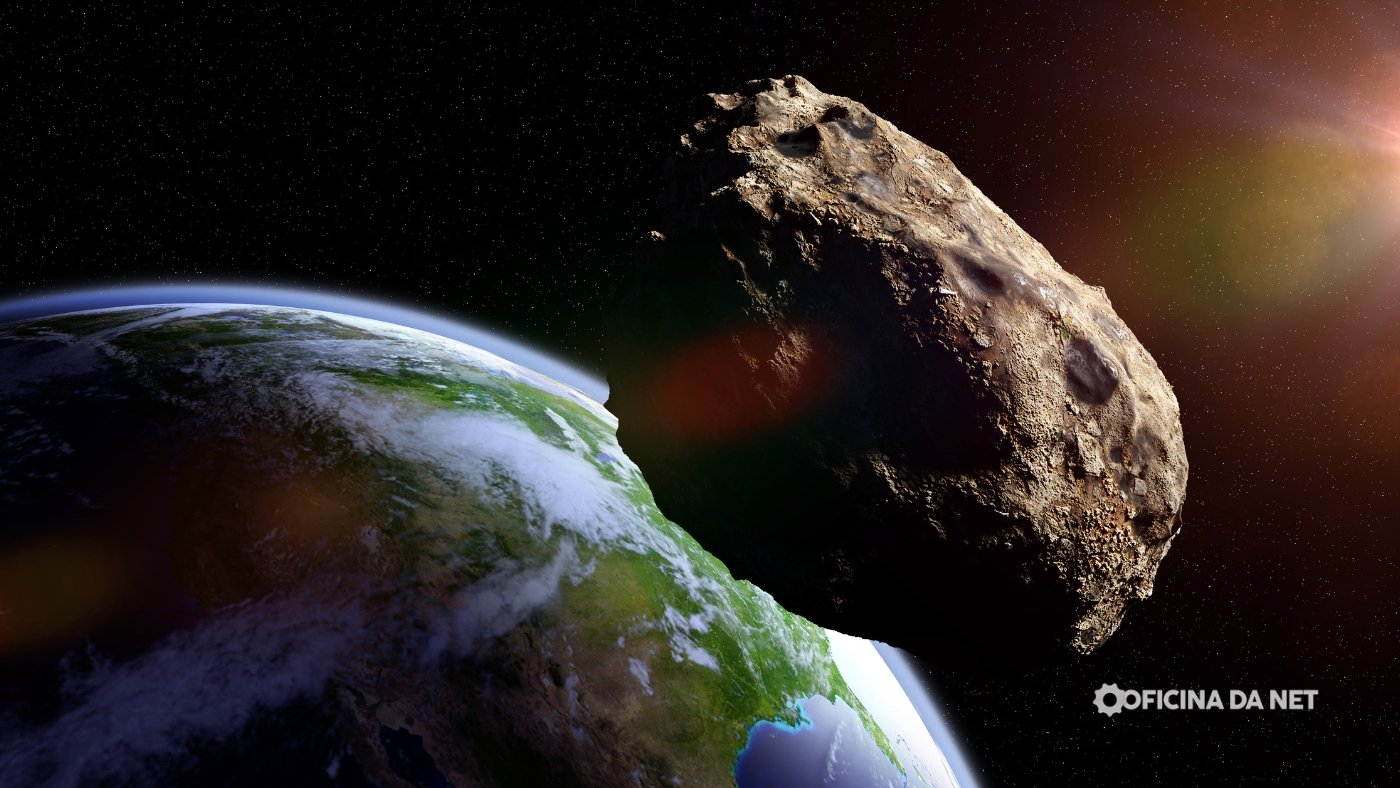
NASA’s latest report reveals that the recently identified asteroid 2024 YR4 has a reduced probability of 1.8% of colliding with Earth in December 2032, down from the previous estimate of 3.1%. If it were to impact, it could potentially destroy an entire city.
Summary of essential information to understand.
- NASA revised the risk assessment for asteroid 2024 YR4, resulting in a decreased likelihood of impact to 1.8%.
- Hitting Earth could result in the destruction of a whole city or the creation of a tsunami.
- Scientists advise being cautious as new calculations could alter this situation.
What does asteroid 2024 YR4 refer to?
The asteroid 2024 YR4, ranging from 40 to 90 meters in width, was recently found by astronomers. It belongs to the category of “Near Earth Objects” (NEOs), which are celestial bodies approaching our planet. Unlike previously examined asteroids, this one poses a potential collision risk with Earth due to its trajectory.

If the 2024 YR4 were to hit Earth, it could cause catastrophic damage. Research suggests that its impact would be as powerful as 500 Hiroshima-sized nuclear bombs, potentially wiping out a city or triggering a tsunami in coastal areas if it lands in the ocean.
Do you need to be concerned at this moment?
Scientists are urging people to remain calm despite the warning, as calculations based on preliminary data can still change with additional observations, as seen in past cases like the asteroid Apophis.
NASA and other space agencies are prepared to investigate potential methods to change the course of an asteroid if new calculations indicate a significant risk of impact. The DART mission in 2022 demonstrated the feasibility of altering an asteroid’s trajectory by impacting it with a spacecraft, which could be considered as a response if the threat remains.
Which nations are susceptible to being impacted?
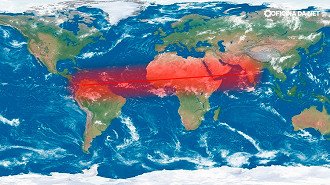
Experts like David Rankin, an engineer at NASA’s Catalina Sky Survey Project, have developed a method to forecast the potential impact site of a collision. According to Rankin’s analysis, the asteroid is projected to land in:
- South America’s northern tip.
- South Asia.
- The sea known as the Arabian Sea.
- North Africa.
- The Pacific Ocean.
The expert advises staying current with updates without feeling anxious.